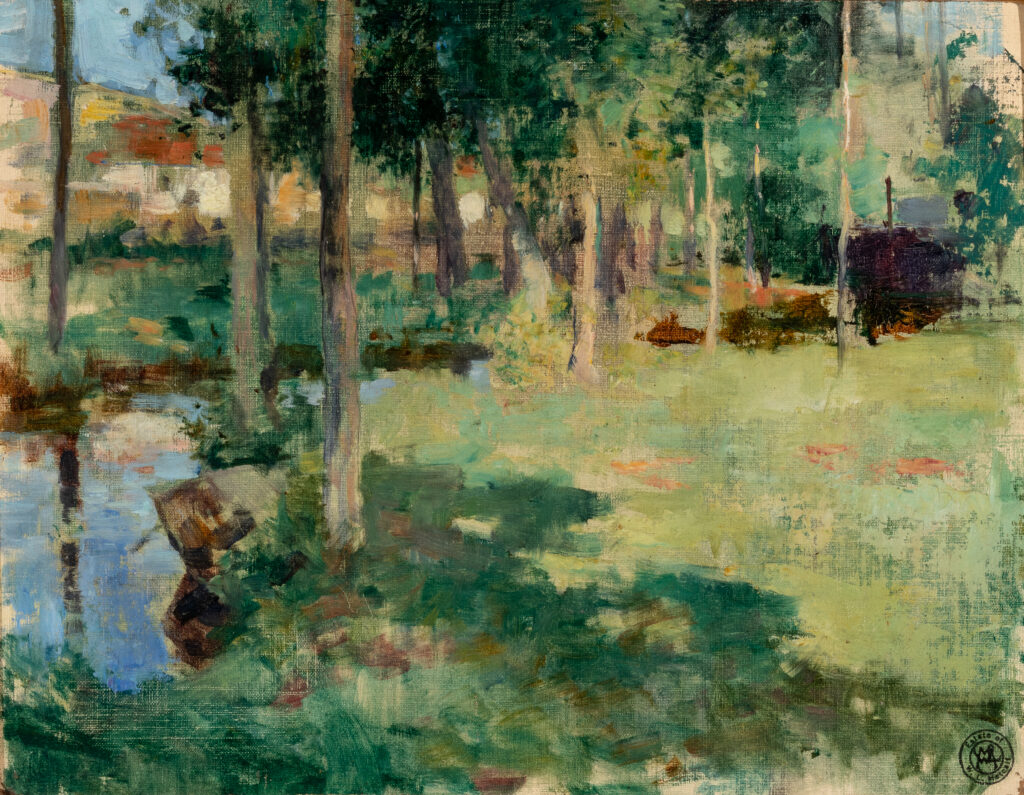
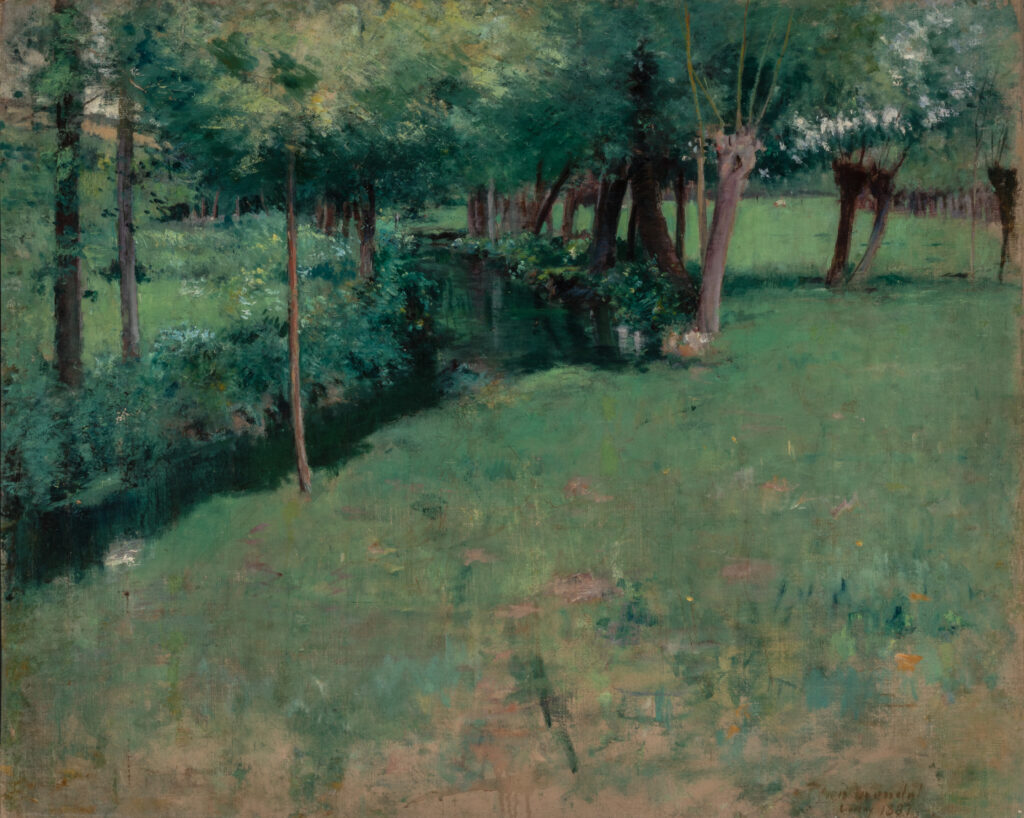
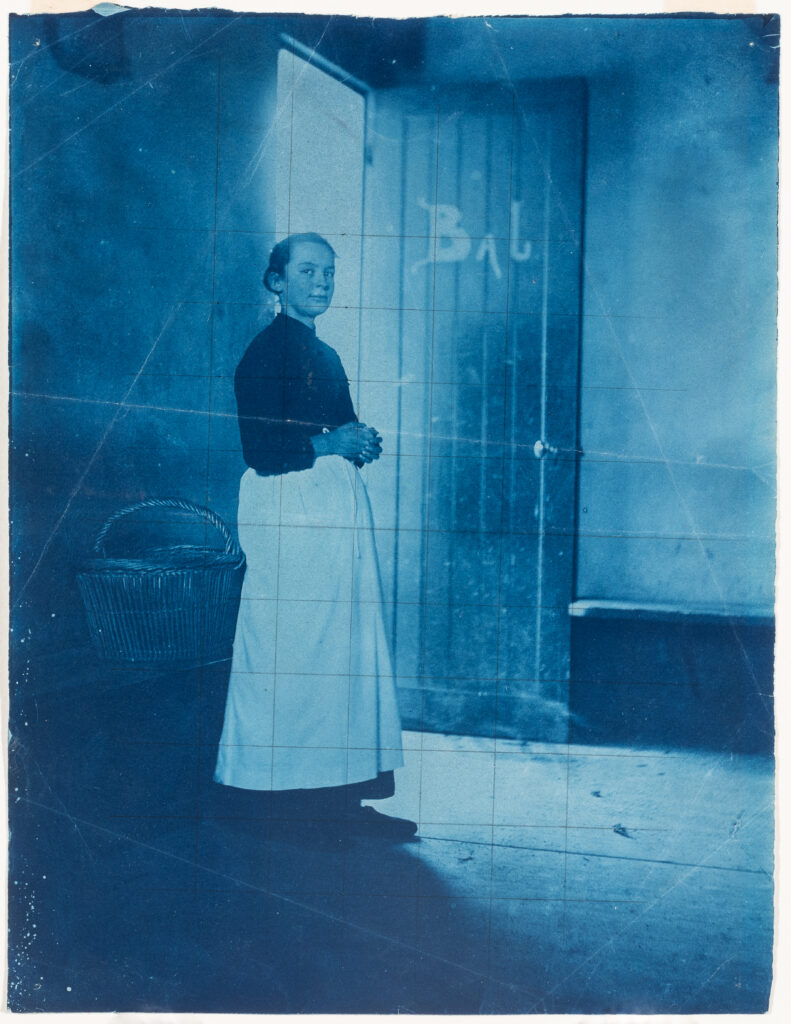
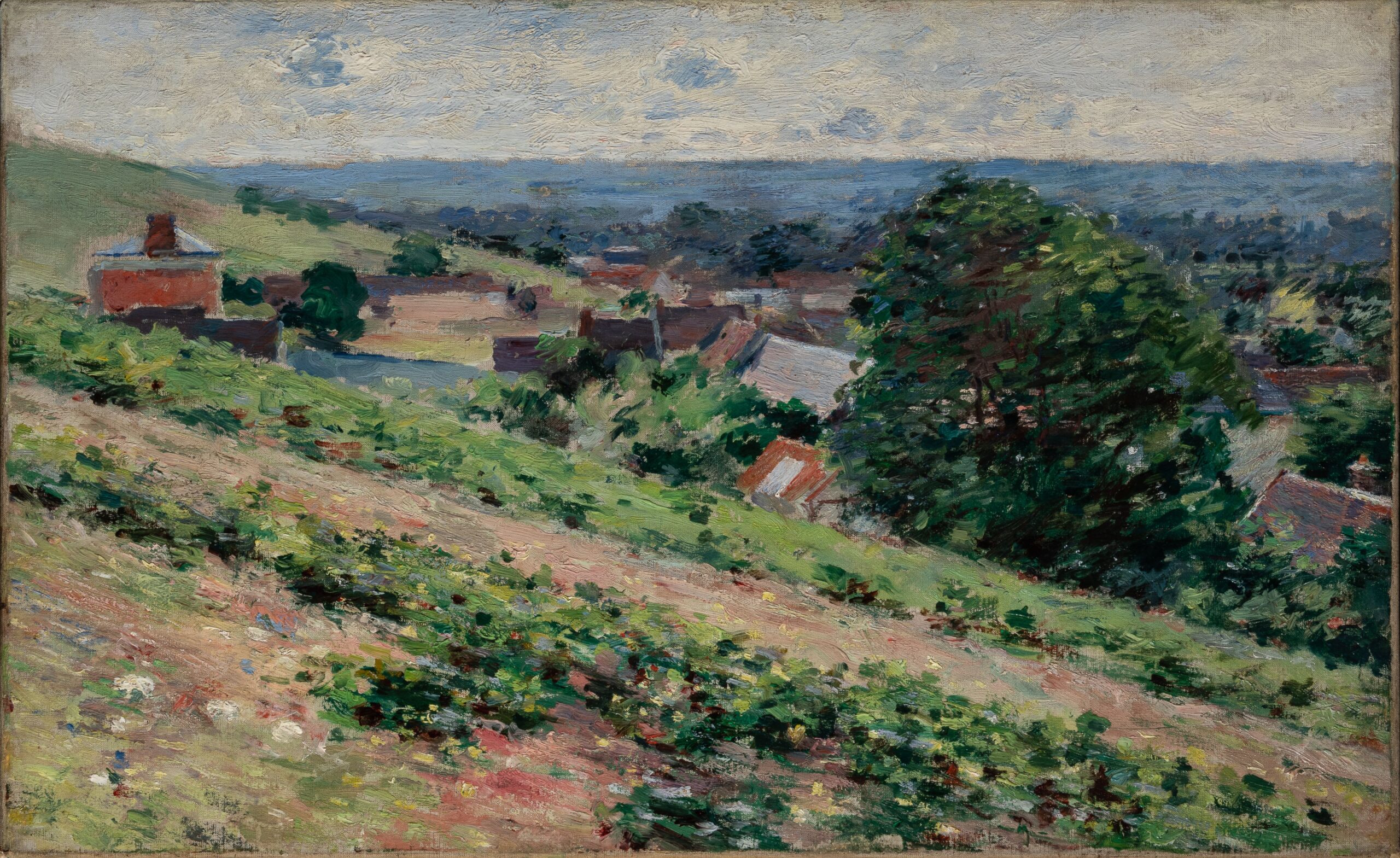
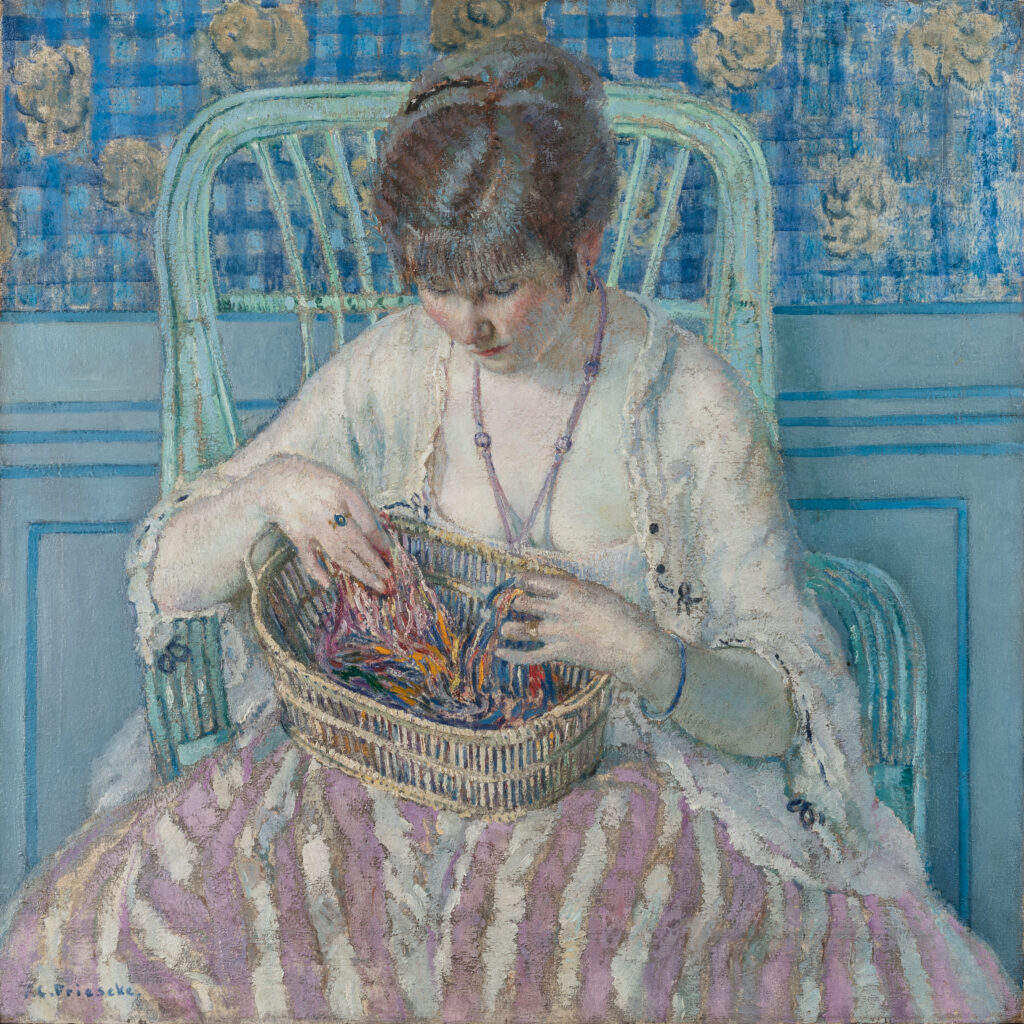
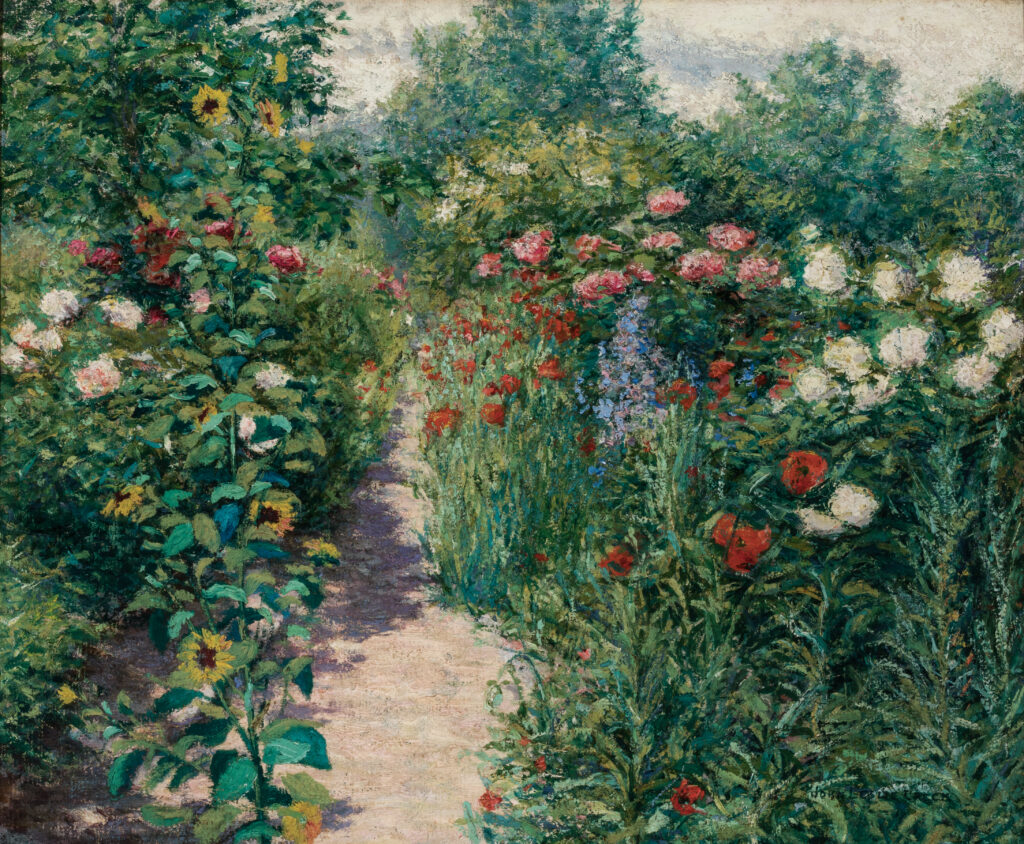
Between 1885 and 1915, the village of Giverny attracted more than 350 artists from at least eighteen countries around the world, transforming from a sleepy community to a vibrant and important artists’ colony. The presence of impressionist painter Claude Monet, who settled in the village in 1883, attracted these young artists, but his presence does not solely explain Giverny’s popularity. Artists also sought the opportunity to combine the practice of plein air painting with an active social life and enjoyed the locale’s picturesque features and easy proximity to Paris. Many artists visited briefly, while others purchased homes and studios, making this Norman village an artistic center.
Impressionist Giverny: A Colony of Artists, 1885–1915 studied the phenomenon of this artists’ colony, paying special attention to the importance of site and reuniting for the first time many canvases that were painted in the village. More than thirty of the ninety-five paintings in the exhibition were drawn from the Terra Foundation for American Art, while the remainder of the exhibition comprised important loans from public and private collections in Europe and the United States.
The four sections of the exhibition followed the chronological and thematic evolution of painting in the colony from its origins in Barbizon-inspired landscapes to impressionist views of the village to depictions of the artists themselves and, finally, to works by the “Giverny Group” who focused on decorative depictions of women in gardens.