Skip to content

Image

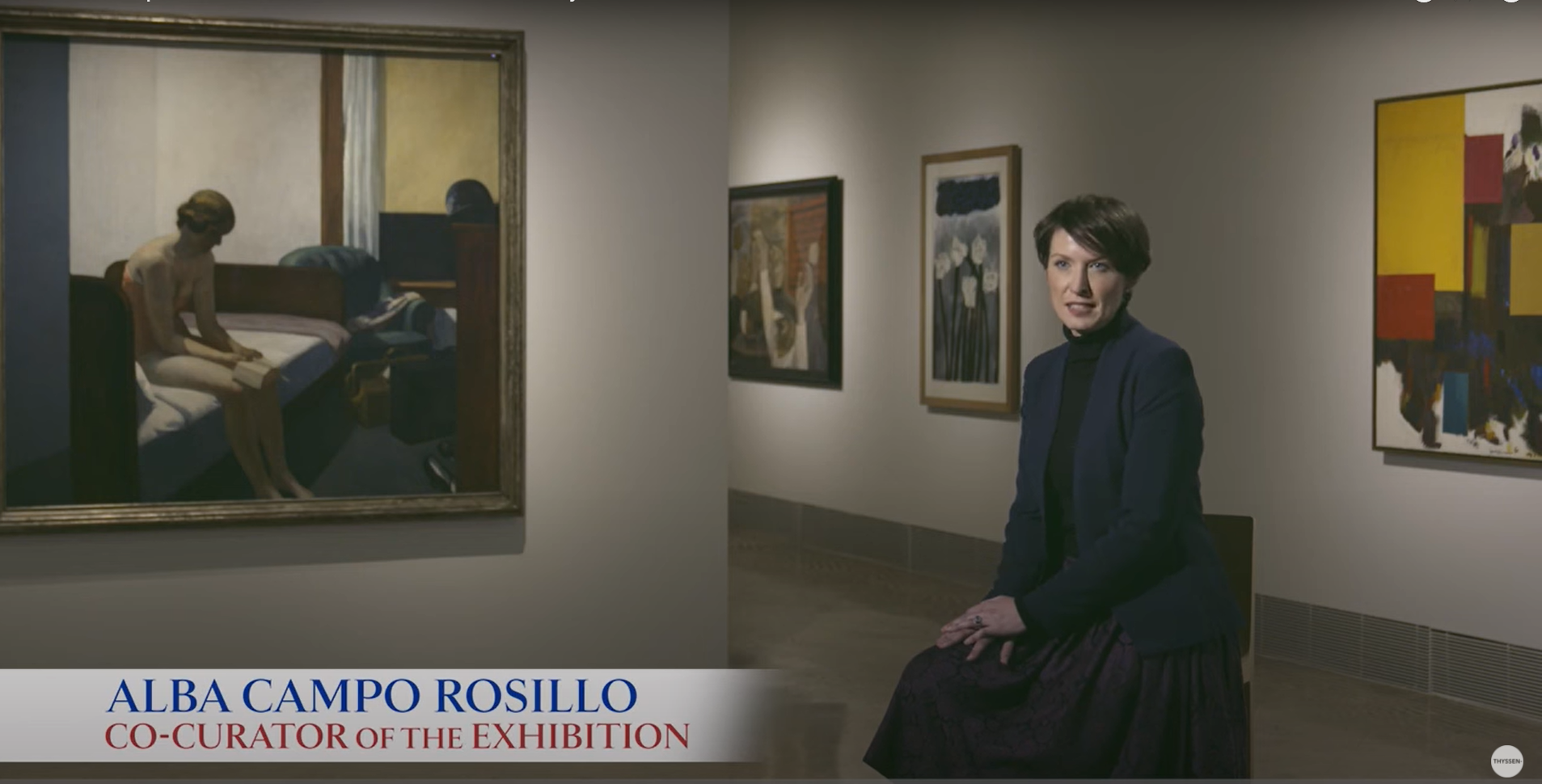
Woman seated in a gallery.

Alba Campo Rosillo, curator and scholar of American Art and Terra Foundation Research Fellow in American Art at the Museo Nacional Thyssen-Bornemisza (2021–22)

Text

Alba Campo Rosillo is a curator and scholar of American Art and the 2021–22 Terra Foundation Research Fellow in American Art at the Museo Nacional Thyssen-Bornemisza. She discusses the opportunity to write new narratives for American Art in the exhibition American Art from the Thyssen Collection at the Museo Nacional Thyssen-Bornemisza in Madrid, on view until October 16, 2022. An associated symposium on June 9–10, 2022 explores issues and topics in collections, culture crossings, and material culture in American Art.

The Museo Nacional Thyssen-Bornemisza owns an extensive selection of American paintings and has become one of the largest collections of historical American art in Europe. Campo Rosillo, together with the Modern Painting curatorial team, has divided the exhibition into four themed sections: Nature, Culture Crossings, Urban Sphere, and Material Culture. She rethinks the collection of American Art using categories such as history, politics, science, and the environment, and considers aspects such as gender, ethnic group, class, and language to provide a deeper understanding of the complexities of American art and culture.

To learn more about Campo Rosillo’s work and innovative approaches to the collection of American works at Museo Nacional Thyssen-Bornemisza, listen to her interviews with the National Radio Broadcast: American Art from the Thyssen Collection I and American Art from the Thyssen Collection II.
Alba Campo Rosillo

The Museo Nacional Thyssen-Bornemisza in Madrid was founded in 1992 upon the principle of displaying Western art for the enlightenment of the public. Art hung on the walls chronologically. For our exhibition, it was important for us to reinstall the collection through a thematic perspective and provide context to the works using wall texts and labels. The collection has a white and European focus, and therefore the galleries´ interpretation had a lot of work to do explaining how the works are not representative of the past and present of the United States´ inhabitants and cultures. Our view aims to show rich, complex histories and cultures that we make available through the exhibition, social media, national radio, television, public programs, and the upcoming symposium.

I work in the Modern Painting department at the Museo Nacional Thyssen-Bornemisza in Madrid as the Terra Foundation Research Fellow. For the exhibition, I believe it is crucial to have a map at the entrance to display the historic creation of US borders along with New Spanish and Indigenous presence; in 1819 Spain held one-third of the current contiguous US territory. The map was an important piece for the interpretation of the works in the exhibition because in Europe there is sometimes a limited knowledge of the history and geography of the US and about the interaction among Native American, Spanish, and American relations. In addition to this, one section of the exhibition is called Hemisphere. I grouped works that show places like the St. Anthony Falls in Minneapolis, which France, Great Britain, and Spain all aspired to own, and which illustrate imperial rivalries. This section also includes paintings depicting Caribbean and Latin American sites, which I feature as part of the US strategy to spread its area of influence across the hemisphere.

This fellowship has been a great chance to build an Americanist network in Spain. Among other initiatives, I have partnered with the curator of ethnology of the Museum of the Americas to hold a series of conversations about Indigenous cultures featuring works from the Museum of the Americas and Museo Nacional Thyssen Bornemisza.

The International Symposium on American Art runs on June 9—10, 2022, and brings together scholars, curators, and experts to analyze movements and artists from new and critical perspectives in American Art. Through this fellowship, I can tell the many stories that connect the US and the Americas at-large with Spain. For further information on registration, speakers, and schedule, please visit the museum’s website.

Embed

Spotlights

More Stories

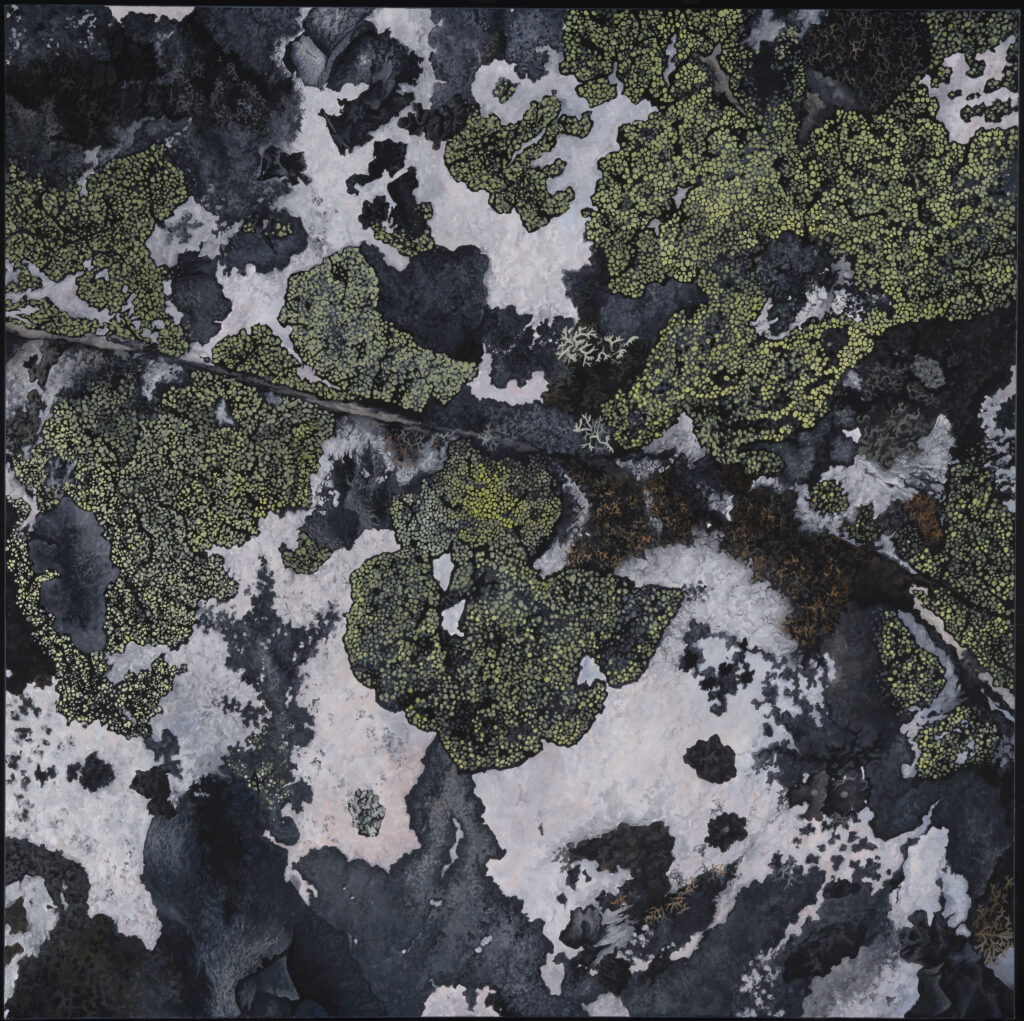
Canvas with shades of dark colors, including green, grey, and blue.

Jessica Winters, born in Makkovik, Nunatsiavut, Newfoundland and Labrador, in 1996, Lichen (Hopedale 1), 2023, Acrylic on canvas, 91,5 x 91,5 cm, MMFA, purchase, the Paradis family fund in memory of Claude Paradis, Photo MMFA.

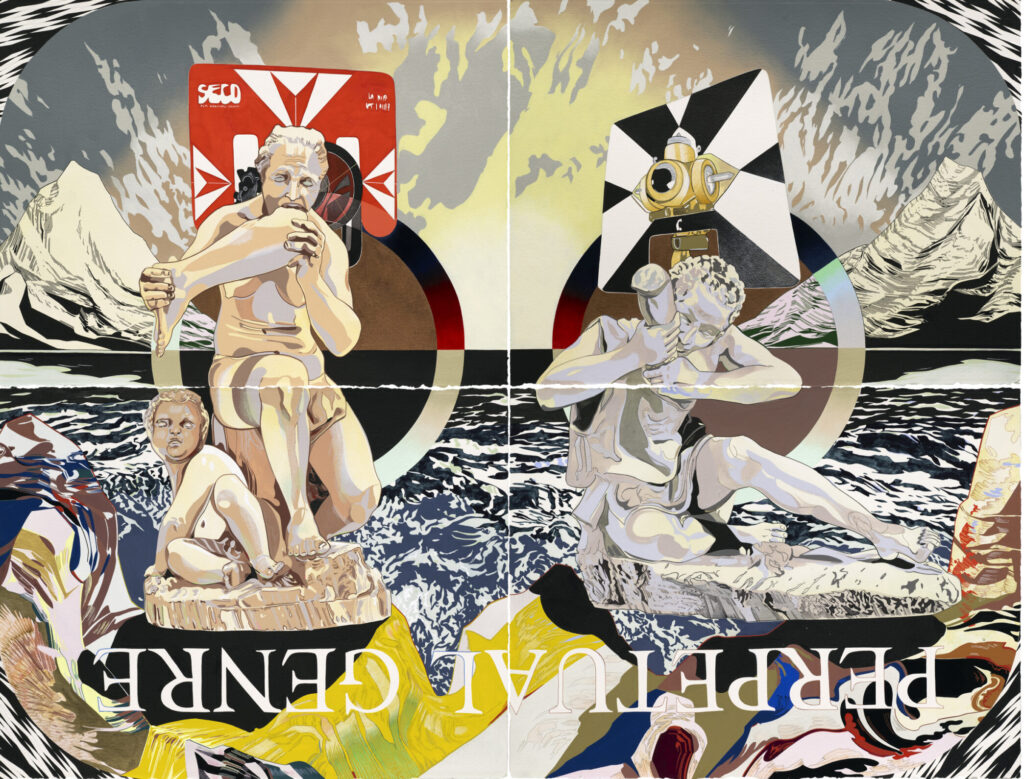
Image of statue-like figures near water.

Andrea Carlson, Perpetual Genre, 2024. Oil, acrylic, gouache, ink, color pencil, and graphite on paper; overall: 45.5 × 61 in. (115.6 × 154.9 cm). Mary and Leigh Block Museum of Art, Northwestern University, Block Board of Advisors Endowment Fund purchase, 2024.2a-d. © Andrea Carlson. Courtesy of the artist and Bockley Gallery.

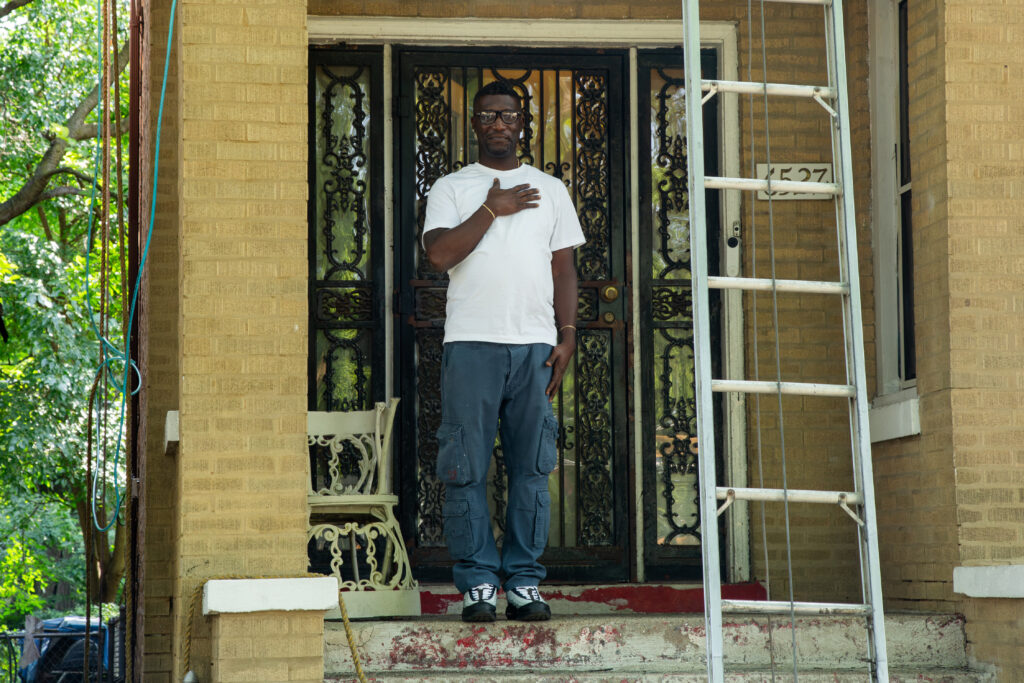
A person standing on the front porch of a house, with his hand on his chest, next to a ladder.

Folded Map, "unBLOCKED" project, Delon Adams in front of his home on construction day.

Terra Foundation for American Art
Privacy Overview

This website uses cookies so that we can provide you with the best user experience possible. Cookie information is stored in your browser and performs functions such as recognising you when you return to our website and helping our team to understand which sections of the website you find most interesting and useful.