Skip to content

Strategic Initiatives are designed to support emerging needs in the field. Through this program, the foundation invests in evolving ideas and projects while deepening relationships and generating combined impact.

Images

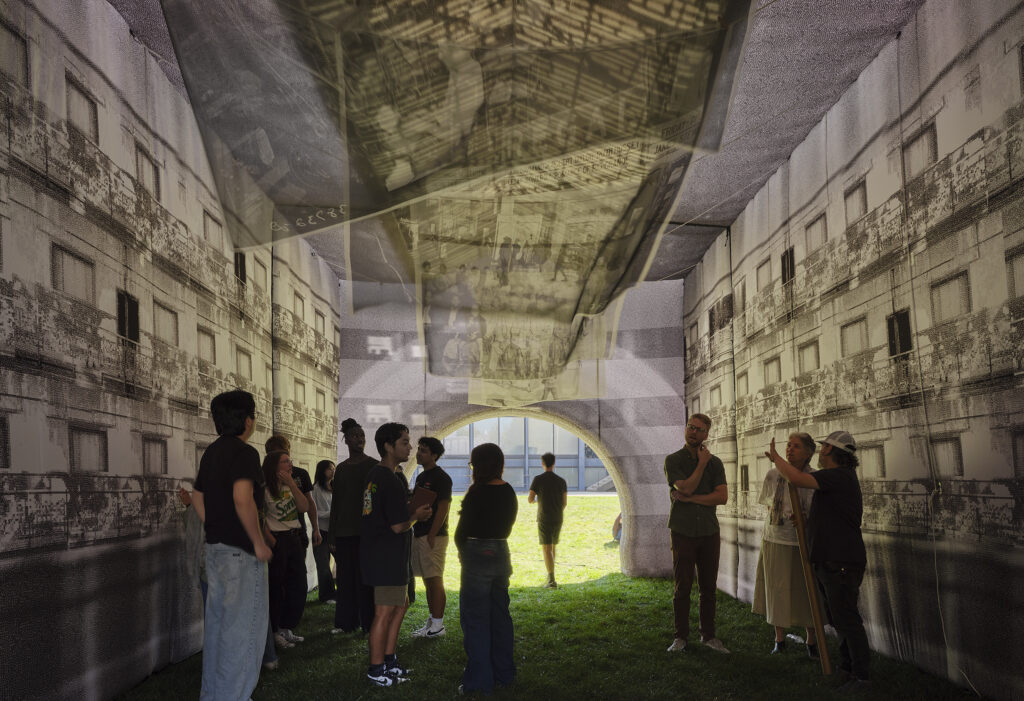
A group of people standing inside a large tent on green grass. Architectural images are projected on the walls and ceiling of the tent.

for Mecca installed by the Floating Museum on Siegel Field, Illinois Tech, Chicago, Illinois, public debut, August 8–9, 2025. Polyester blend fabric, dye sublimation, air blowers, and hardware, 30 × 41 × 24 ft. (9.1 × 12.5 × 7.3 m). Part of the Floating Monuments series. Photo by Tom Harris.

Project Spotlights July 2022–June 2025

AFIELD | Paris, France | AFIELD Forums and publication | $64,024

This Strategic Initiative has provided support for a series of AFIELD public forums and a related forthcoming publication. The forums have been co-produced by AFIELD with KANAL-Centre Pompidou, in Brussels, in partnership with CIVA, Établissements A. Dewitte & Filles and Kunstenfestivaldesarts. The first forum, “Systems Change by Artists,” took place in September 2024, and in May 2025, the AFIELD community reconvened for the second forum, “Transitional Justice by Artists.” The next forum will take place in Spring 2027. These gatherings connect American and international artists as well as curators, cultural practitioners, policymakers, students, and members of the public interested in the role of art as leverage for solution-building and societal transformation. Drawing from the forums, a series of publications will critically explore the intersection of art and social justice, highlighting the role of art and artists in addressing social and cultural challenges.

“During the AFIELD Forum, I was reminded of the transformative power of cultural work; that the struggle for freedom is a marathon, not a sprint; and that change is rarely immediate. It offered liberating moments of clarity, where I felt that the work I do—however small it may seem—is not futile,” reflected Ada Pinkston, Performance Artist & Educator (US), who led a workshop on resistance through song and dance at the 2025 AFIELD Forum.

AFIELD

I was reminded of the transformative power of cultural work; that the struggle for freedom is a marathon, not a sprint, and that change is rarely immediate.

Ada PinkstonPerformance Artist and Educator

Afield

Five people seated on chairs on a stage facing a crowd of people. A presentation plays on a stage behind the panel of five people.

“Panel: Archives,” May 29, 2025, at KANAL-Centre Pompidou, Brussels, with María Belén Correa (Archivo de la Memoria Trans), Joachim Ben Yakoub (First Waves), and Sasha Nabieva (Ukraine War Archive), moderated by Laura Dubois. Part of “2025 AFIELD Forum: Transitional Justice by Artists.” Photo by Veerle Vercauteren.

Center for Native Futures

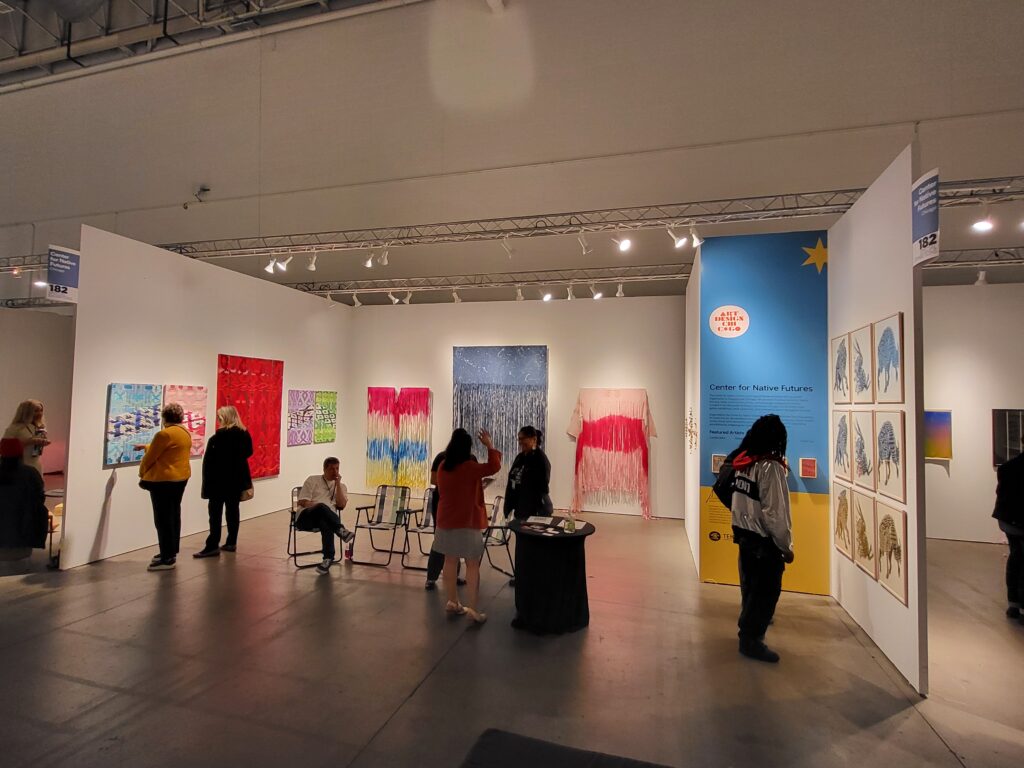
Center for Native Futures | Chicago, Illinois | Founding and events in 2025 and 2026 | $350,000

The Center for Native Futures (CfNF) is the only nonprofit organization led exclusively by Native artists in the city of Zhegagoynak (Chicago). Through exhibitions, residencies, and community events, CfNF promotes the advancement of Native art, fosters the work and careers of contemporary Native artists, and encourages Indigenous Futurists. The Terra Foundation provided seed funding for the center as well as program support, including for the center’s inaugural Native Futures exhibition and the biannual “Mound Summit,” a daylong symposium. Over the years, the Foundation has supported initiatives such as the curator-in-residence mentorship program, the Great Lakes–centered artist exhibition Gagizhibaajiwan, sponsored booths at EXPO Chicago—an international arts exhibition at Navy Pier—and the development of the CfNF catalog, which will reflect on the organization’s first five years.

“The Terra Foundation has been integral to our development and sustainability,” said Monica Rickert-Bolter, cofounder and Director of Operations at CfNF “Our relationship with the Terra Foundation is all about trust. They had faith in our vision, and we followed through. The contemporary Native art community continues to grow and strengthen.”

“The fact of our presence becoming embedded within the fabric of the Chicago cultural scene is crucial,” said Chris Pappan, cofounder and CfNF Board President. “We are so grateful to have the opportunity to build upon the important work we have started.”

Center for Native Futures

Our relationship with the Terra Foundation is all about trust. They had faith in our vision, and we followed through. The contemporary Native art community continues to grow and strengthen.

Monica Rickert-BolterCofounder and Director of Operations, Center for Native Futures

Center for Native Futures

The David C. Driskell Center

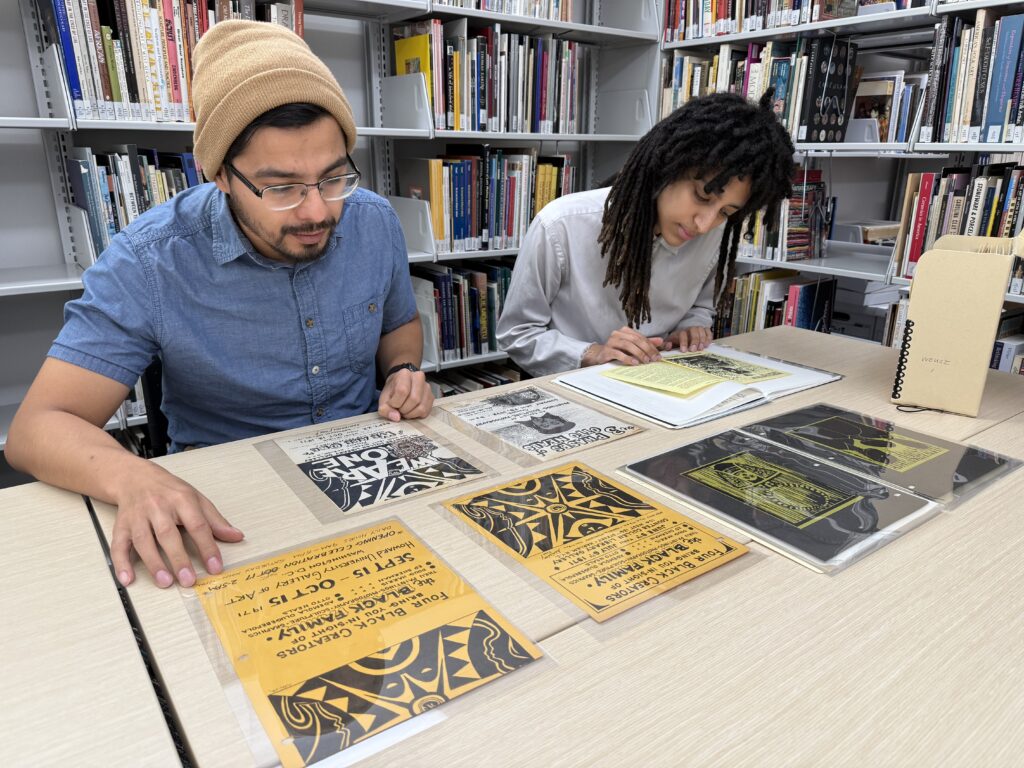
The David C. Driskell Center University of Maryland | College Park, Maryland | Writing the Future: Connecting and Supporting Black Archival Collections, $280,000 | The Okoe Pyatt and Shelley Inniss Archive of the Weusi Artist Collective, $120,000

“The archival record of Black creativity in the visual arts emerges through partnerships between artists and the individuals and institutions that champion their work. Professional archives ensure these stories remain accessible and prevent their erasure from history,” noted Jordana Moore Saggese, Professor, Modern & Contemporary Art of the US at the University of Maryland, and Director, The Driskell Center.

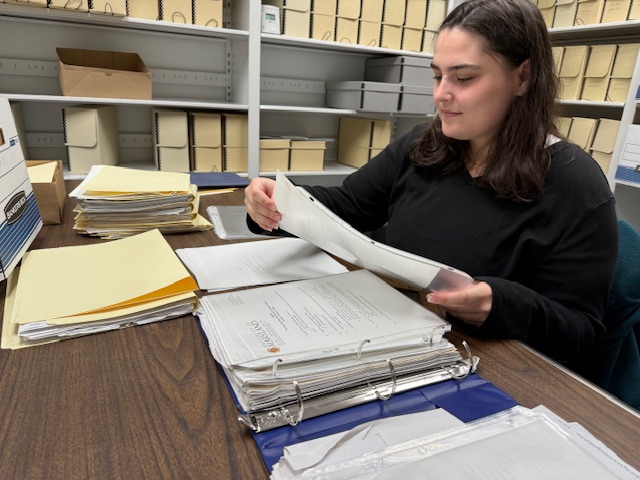
These grants support the processing of three significant collections: the most comprehensive archival collection documenting the early history of the influential Weusi Artists (the Okoe Pyatt and Shelley Inniss Archive of the Weusi Artist Collective), the papers of a pioneering arts administrator (the Terrie S. Rouse-Rosario Papers), and the institutional archive of The Driskell Center in preparation for its twenty-fifth anniversary in 2026.

“Beyond preserving these materials, Terra Foundation support has enabled the Center to hire an early-career archivist and a student intern. This investment,” Professor Saggese observes, “provides emerging professionals with hands-on experience in this essential work while expanding the Center’s influence as a leading institution in art and archival education.”

The David C. Driskell Center

The David C. Driskell Center

The archival record of Black creativity in the visual arts emerges through partnerships between artists and the individuals and institutions that champion their work.

Jordana Moore SaggeseProfessor, Modern & Contemporary Art of the U.S. at the University of Maryland, and Director, The Driskell Center

Floating

Floating Museum | Chicago, Illinois | Burroughs Residency, $285,000 | Floating Monuments: Mecca Flats, $110,000

Floating Museum creates site-responsive art, design, and programming to explore and strengthen the relationships linking art, community, architecture, and public institutions. During this period, it received two grants: for Floating Monuments: for Mecca (part of Art Design Chicago) and for the Burroughs Residency pilot.

Floating Monuments: for Mecca is a thirty-foot-tall, hand-sewn inflatable monument commemorating the historic Mecca Flats building in Chicago. The original apartment complex, demolished in 1952, had been a cultural center for Chicago’s Black community in Bronzeville. The monument combines photographs, writings, and sound recordings, drawing Bronzeville’s rich history into the present and inviting reflection on the Mecca Apartments’ demolition and replacement by Crown Hall, on the Illinois Institute of Technology campus, a story that is emblematic of broader patterns of displacement in Chicago and across the US.

Honoring poet, printmaker, activist, and advocate Dr. Margaret T. Burroughs, the Burroughs Residency fosters innovative connections among art, community, architecture, and public institutions. The site of the residency, in the heart of Bronzeville, is Dr. Burroughs’s former home, where she founded the DuSable Museum of African American History in 1961.

“The Burroughs Residency and for Mecca move in different forms but toward a shared purpose: to imagine art as a living system of connection,” remarked Faheem Majeed, Floating Museum’s cofounder and co-director. “Each project extends Floating Museum’s inquiry into how memory, movement, and collaboration can create new ways of belonging, ways that honor the past while rehearsing what a more connected cultural future might look like.”

Floating

Members of the Burroughs Residency Advisory Committee and Floating Museum staff in conversation at The Burroughs, seated around a table, on a couch, and on a chair.

Members of the Burroughs Residency Advisory Committee and Floating Museum staff in conversation at The Burroughs, 2024

Floating

The Burroughs Residency and for Mecca move in different forms but toward a shared purpose: to imagine art as a living system of connection.

Faheem MajeedCofounder / Co-director, Floating Museum

Forge

Forge Project | Taghkanic, New York | Editorial and Publishing Initiatives | $550,000

Forge Project, a Native-led nonprofit organization dedicated to advancing Indigenous leadership in the arts and culture, received support to expand and sustain its editorial and publishing initiatives. These include its online journal, Forging, which features longform essays, cultural criticism, and reviews, and a related yearlong journal cohort program offering stipends, mentorship, and opportunities for writers to publish their work and attend writing retreats. By ensuring fair compensation for contributors and fostering new opportunities for Indigenous writers, Forge is addressing historical inequities in American art history as well as promoting and cultivating Indigenous voices so they can shape the future of the field.

“Creating platforms for Native and Indigenous writers shifts how American art is authored—it will enable new critical methodologies from Indigenous perspectives, will fill gaps in American art history, and will enable new relations to be generated among contributors,” observed Executive Director and Chief Curator Candice Hopkins.

Forge

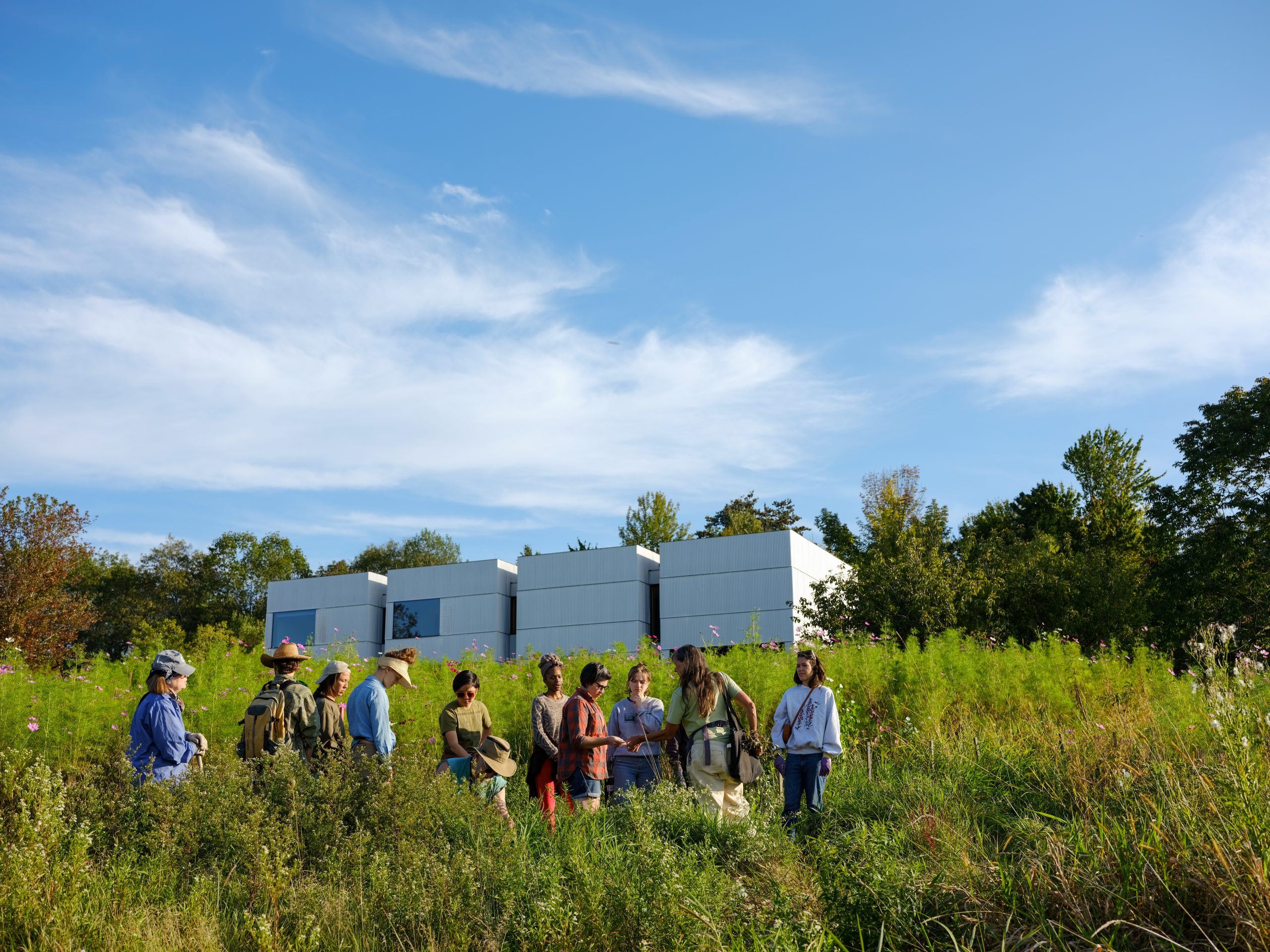
A group of people standing in tall, green grass with a white building behind them.

Volunteers participate in land remediation work during a Meadow Work Day, September 28, 2023, led by allied botanist Claudia Knab-Vispo and Josie Laing of the Hawthorne Valley Farmscape Ecology Program. Photo by Alekz Pacheco.

Forge

Creating platforms for Native and Indigenous writers shifts how American Art is authored—it will enable new critical methodologies from Indigenous perspectives, will fill gaps in American art history, and will enable new relations to be generated among contributors.

Candice HopkinsExecutive Director & Chief Curator, Forge Project

Rockwell

Norman Rockwell Museum | Stockbridge, Massachusetts | The Problem We All Live With | $50,000

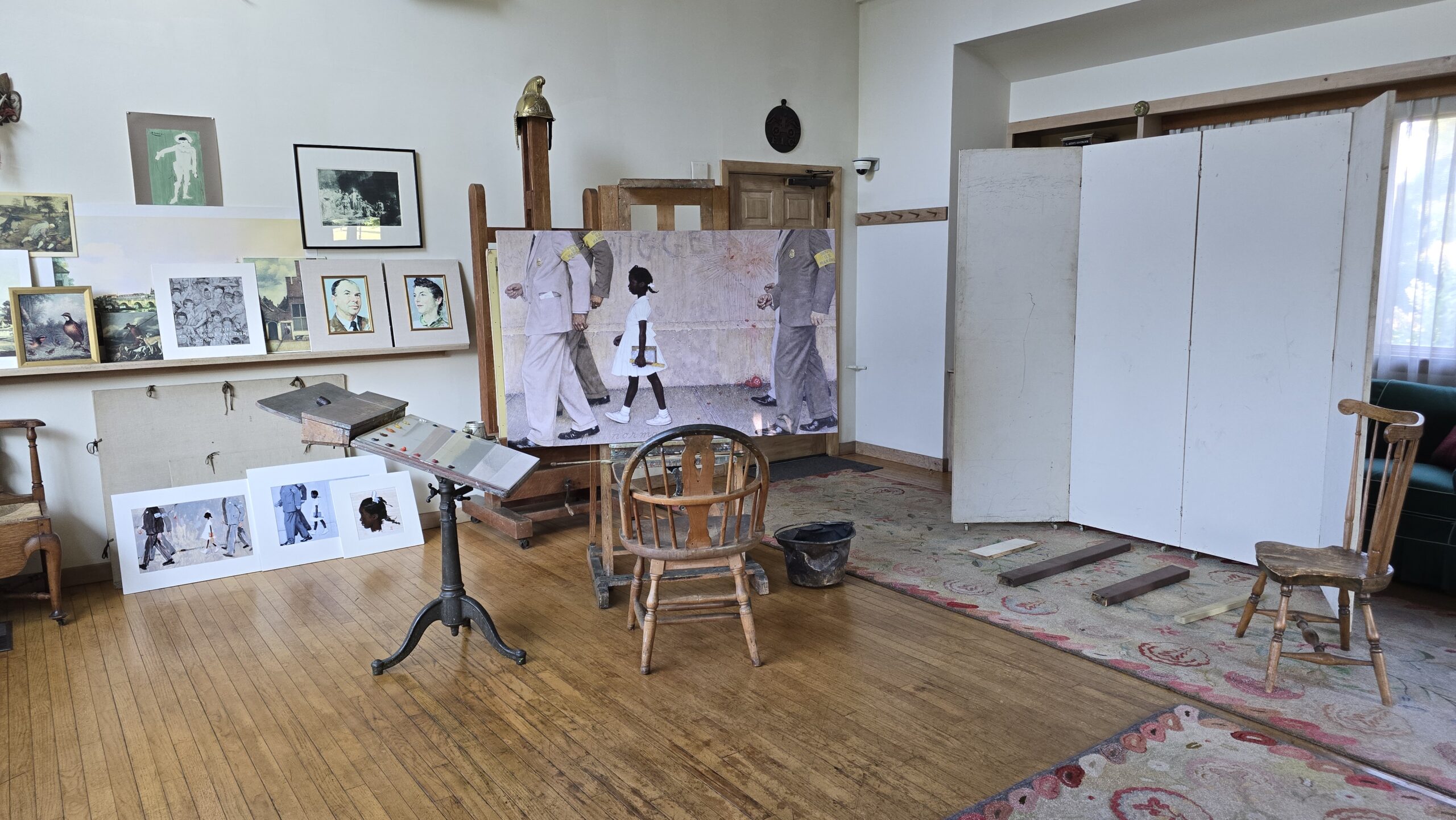
The Terra Foundation has supported the reinterpretation of Norman Rockwell Museum’s iconic painting The Problem We All Live With (1963). The updated and expanded narrative centers the personal stories of the four six-year-old Black girls who were the first students to desegregate New Orleans schools in 1960: Gail Etienne, Leona Tate, Tessie Prevost, and Ruby Bridges (the latter often misidentified as both the subject of and model for the work). New research and interviews not only describe the experiences of the first day of school but also chronicle the traumatic years that followed as the girls were moved from one white school to the next, confronting hostility and even violence from students, faculty, and administration alike. In addition to acknowledging the sacrifices and contributions of these Civil Rights trailblazers, research also fills out the stories of the brave families, communities, and committed activists that supported them. The project also recognizes the role of Lynda Gunn, a young Black girl from Stockbridge, Massachusetts, who was the model for the painting.

“In addition to reshaping the storytelling and compiling a detailed timeline of the history of the events that inspired Rockwell’s painting, our project team engaged with Black community members in New Orleans to hear their reflections on the civil rights period and gather their insights on how the painting represented that history and what the painting means to them today. These conversations, along with newly conducted research and interviews, will inform the museum’s interpretive strategy, specifically how we tell the story of the painting in a way that is fact-based, racially sensitive, and culturally aware,” said Laurie Norton Moffatt, Director and CEO, Norman Rockwell Museum. “As the events inspiring Norman Rockwell’s work recede from living memory, it is important to refresh the understanding of his iconic works in a contemporary context,” she noted.

Rockwell

Installation restaging of Norman Rockwell’s studio in 1963, with his painting The Problem We All Live With on an easel in the center of the studio.

Installation restaging of Norman Rockwell’s studio in 1963, when Rockwell painted The Problem We All Live With, Norman Rockwell Museum, Stockbridge, Massachusetts, 2025. Photo courtesy of the Norman Rockwell Museum.

Project Spotlights

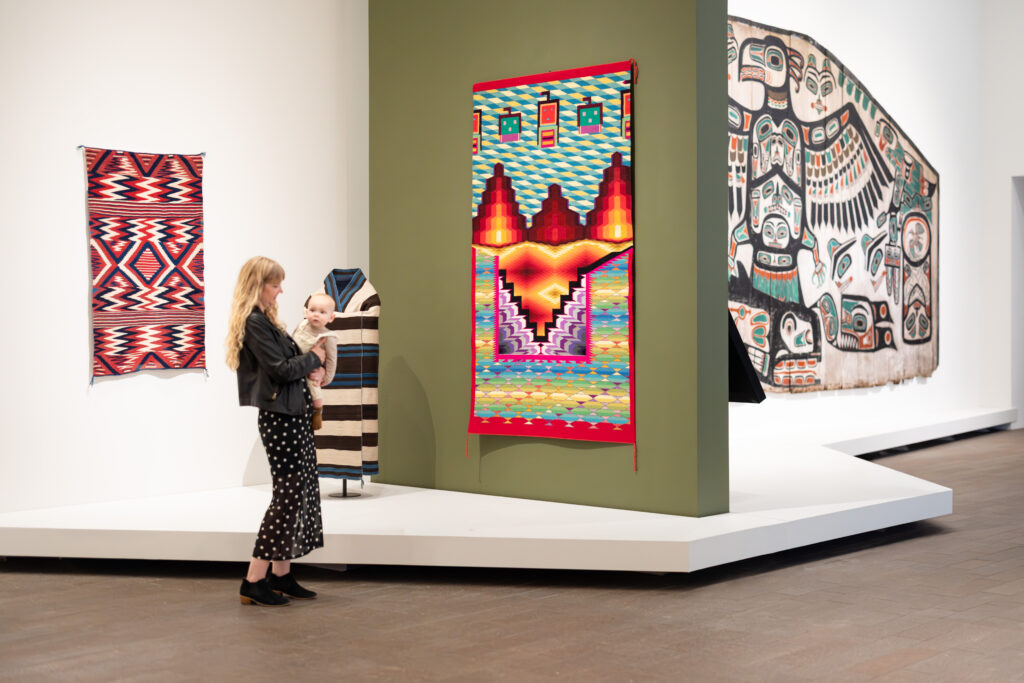
A woman holding a baby standing in front of textiles in a museum display.

Arts of Indigenous America, installation view, de Young Museum, San Francisco, 2025. Photo by Gary Sexton. Courtesy of the Fine Arts Museums of San Francisco.

Impact Report July 2022–June 2025

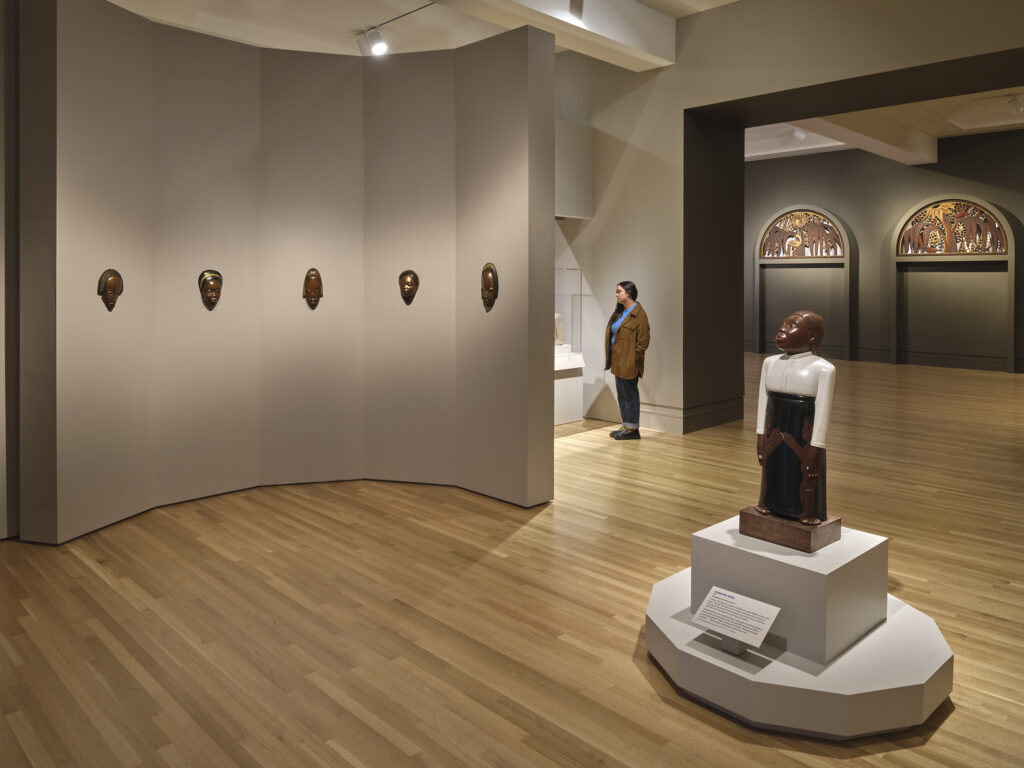
A sculpture in the foreground of a gallery space and a woman standing in the background looking at works of art out of view.

Sargent Claude Johnson, installation view, The Huntington, San Marino, California, February 17–May 20, 2024

Impact Report July 2022–June 2025

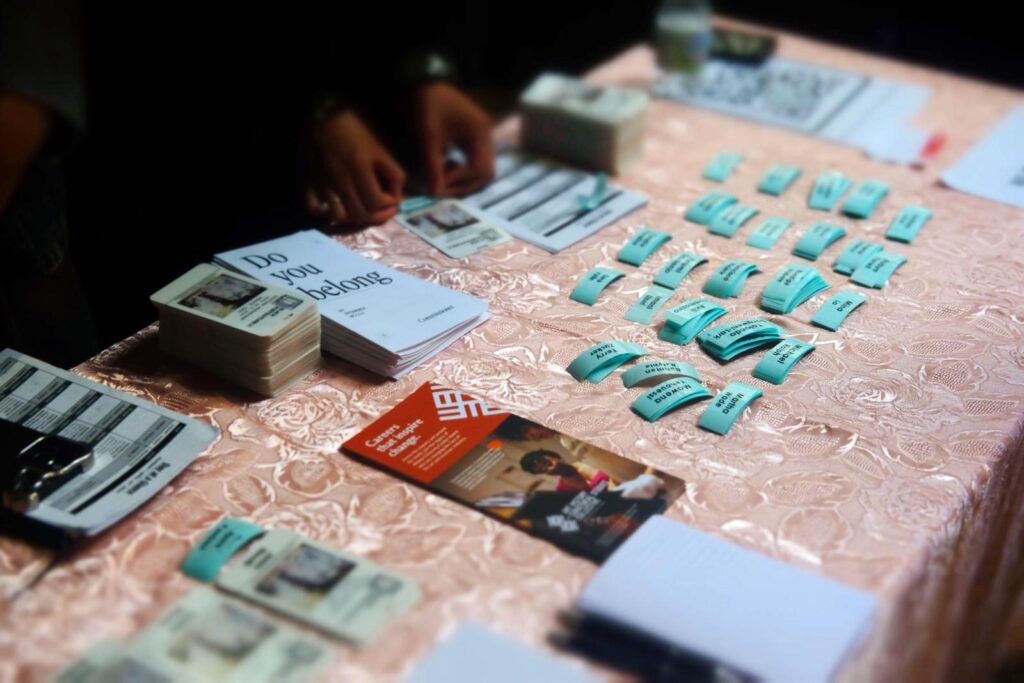
Table with brochures and tickets.

“Black Portraitures: Shifting Paradigms” at the Conservatorio Benedetto Marcello, Venice, Italy. BP photos by Deborah Wills and Victor Cruz.

Impact Report July 2022–June 2025

A group of people standing inside a large tent on green grass. Architectural images are projected on the walls and ceiling of the tent.

for Mecca installed by the Floating Museum on Siegel Field, Illinois Tech, Chicago, Illinois, public debut, August 8–9, 2025. Polyester blend fabric, dye sublimation, air blowers, and hardware, 30 × 41 × 24 ft. (9.1 × 12.5 × 7.3 m). Part of the Floating Monuments series. Photo by Tom Harris.

Impact Report July 2022–June 2025

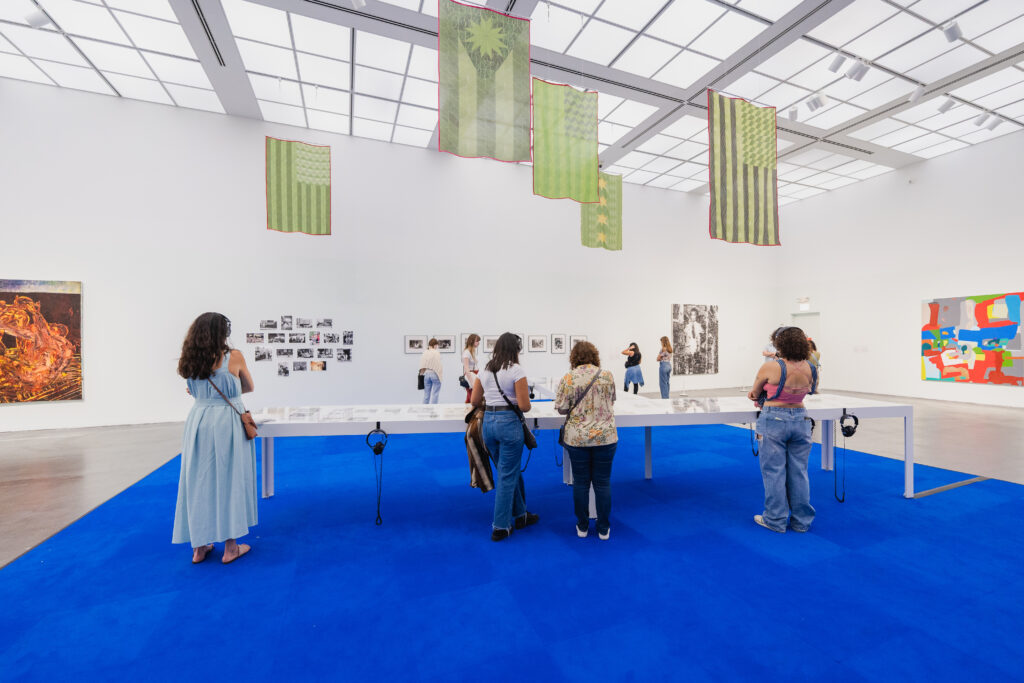
People standing in a large gallery space with blue carpet and white walls. Artwork is hanging on the walls and the center of the room has many vitrines.

entre horizontes: Art and Activism Between Chicago and Puerto Rico, installation view, Museum of Contemporary Art, Chicago, August 19, 2023–May 5, 2024. Photo by Shelby Ragsdale, ©MCA Chicago.

Impact Report July 2022–June 2025

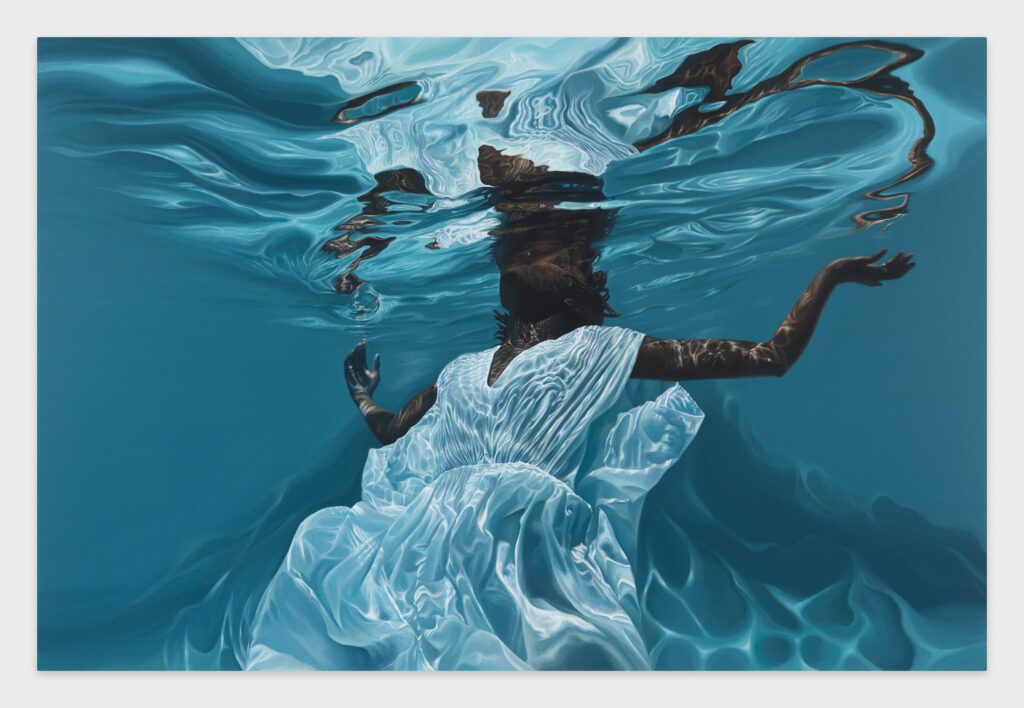
Painting of a woman in a white dress under the water's surface.

Calida Rawles, Thy Name We Praise, 2023. Terra Foundation for American Art and Spelman College Museum of Fine Art co-acquisition in honor of Mary Schmidt Campbell, Ph.D., 10th President of Spelman College, TCA2023.3. Photo courtesy of Lehmann Maupin Gallery.

Grants Awarded

Impact Report