Skip to content

Image

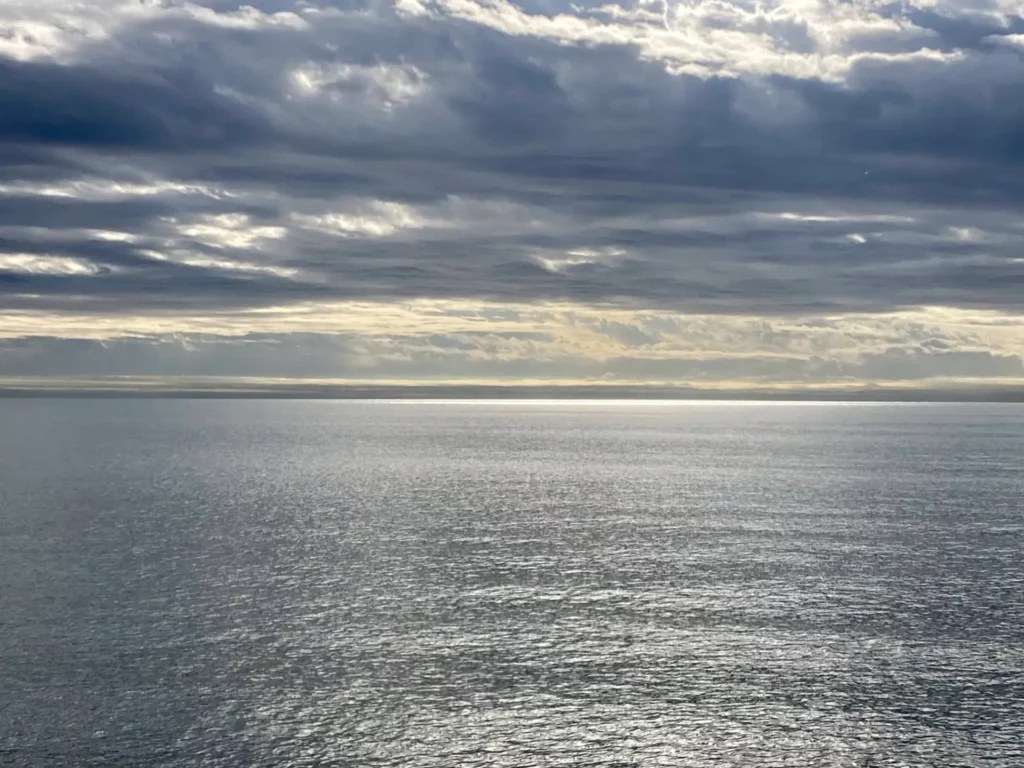
Photograph of Lake Michigan with clouds in the sky.

Ininwwewi-gichigami, also known today as Lake Michigan, as seen from the lakefront near the Block Museum of Art, Northwestern University. Photo credit: Courtesy of the Block Museum of Art, Northwestern University

Text

The Terra Foundation, through its initiative Art Design Chicago, is supporting the Block Museum’s exhibition Woven Being: Indigenous Art Histories of Chicagoland (working title), which is in development and scheduled to open in early 2025. In keeping with the Indigenous methodologies that are shaping the exhibition, the team has challenged traditional methods of grantmaking when working with funding partners, including the Terra Foundation.

Authors Kate Hadley Toftness and Lois Taylor Biggs expand on relationship building in grantmaking, informed by ongoing dialogue and collaboration, in their essay “In Good Relation: Reimagining the Grant Process for Community-Based Projects,” originally published by American Alliance of Museums.

Kate Hadley Toftness is the Senior Advancement Manager, Grants and Collection Council at Northwestern University’s Block Museum of Art, and Lois Taylor Biggs (Cherokee Nation and White Earth Ojibwe) is the former Terra Foundation Curatorial Research Fellow and Curatorial Assistant at Northwestern University’s Block Museum of Art.
An Excerpt from “In Good Relation”

“As we’ve sought funding for Woven Being, we have aimed to center our project values of reciprocity, collaboration, and dialogue in our grantwriting. In several instances, this has required conversations with our sponsors to find common ground and to request flexibility in their grant guidelines.

“One of these areas of conversation has been in defining the concept of place. For instance, one of our sponsors, the Terra Foundation for American Art’s Art Design Chicago initiative, specifies a local focus, which has a nuanced meaning in our context. While our project does focus on the Indigenous art histories of Chicagoland, those histories include people who have been removed from their ancestral homelands, so we need to allocate time and money for travel to communities that now reside at a distance from Chicago, exceeding the grant program’s anticipated budget guidelines in this area. The foundation has been understanding in these discussions, as it recently adopted a new mission dedicated to expanding American art narratives, and has been working to reimagine its practices to match. ‘We realize the importance of considering not only the contents of projects we support, but also how they are developed,’ Senior Program Director Jennifer Siegenthaler told us. As we begin to approach additional national funders, we are preparing for further conversations about place as well as sovereignty. For example, we have discussed the fact that partnerships with sovereign tribal nations may require that grantmakers reconsider concepts embedded in their guidelines of ‘American,’ ‘national,’ or ‘international’ exhibition projects.”

Read the full essay “In Good Relation: Reimagining the Grant Process for Community-Based Projects” on the Block Museum’s blog. The essay was originally published by American Alliance of Museums (March 31, 2023).

Spotlights

More Stories

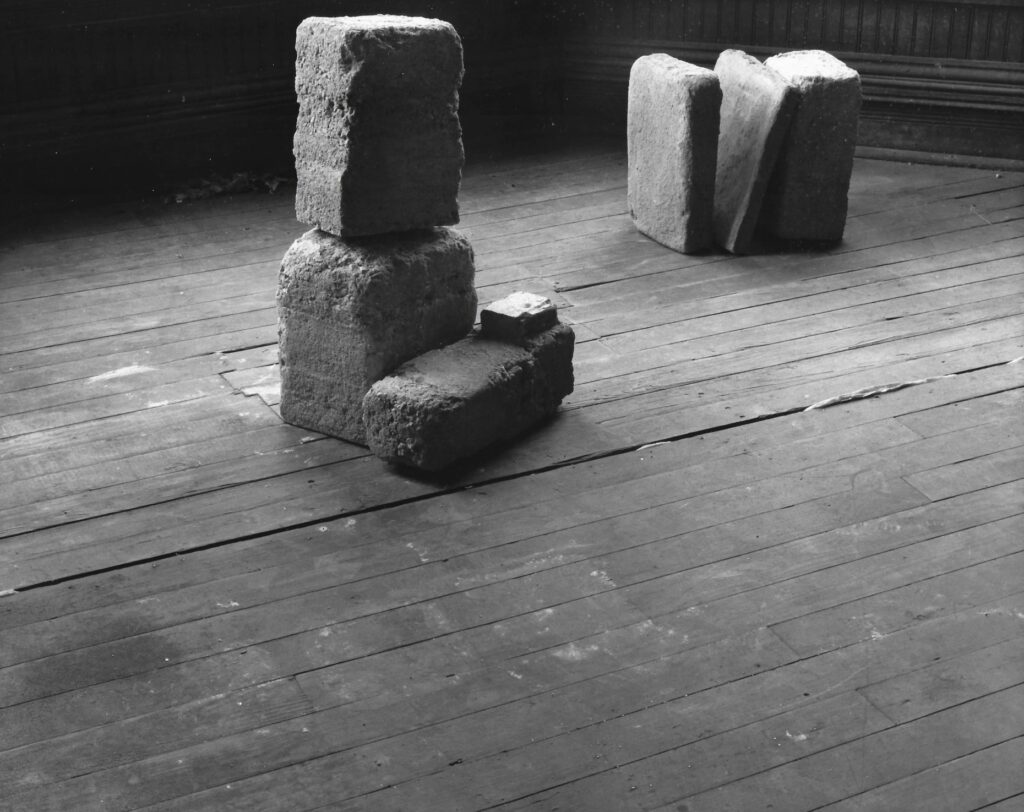
Image of stone-like objects in black and white or greyscale.

Image: Beverly Buchanan, slab works, c. 1978–1980. Cast concrete sculptures with acrylic paint. Dimensions unknown. Courtesy the Frances Mulhall Achiles Library, Artist File, Whitney Museum of American Art.

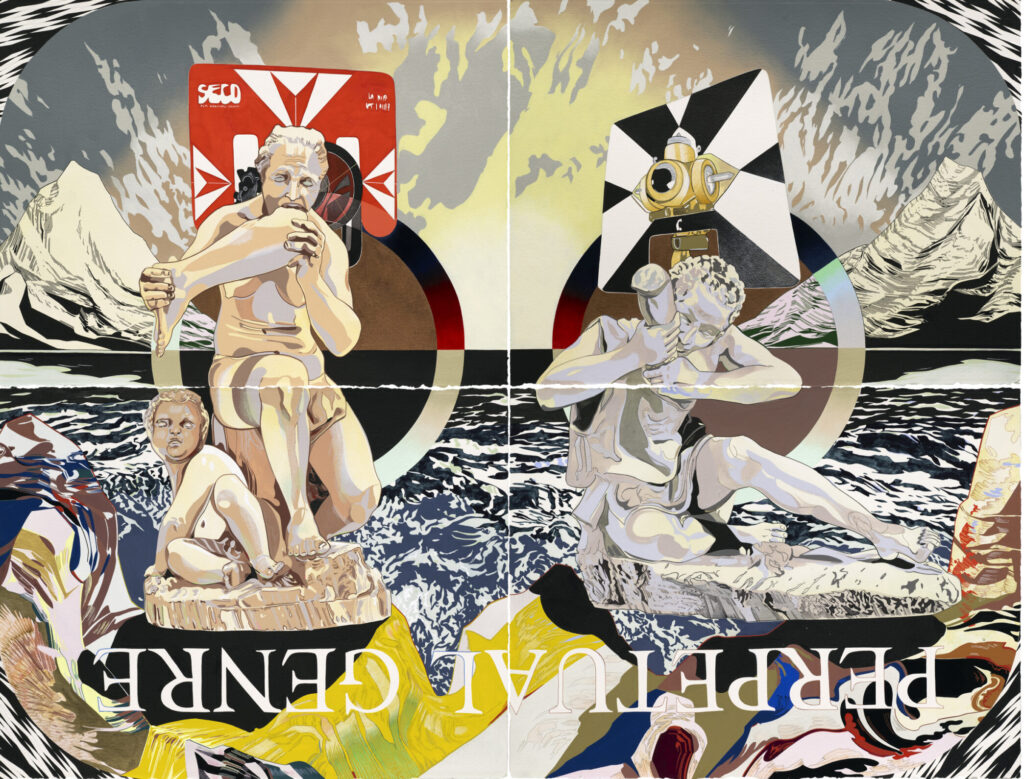
Image of statue-like figures near water.

Andrea Carlson, Perpetual Genre, 2024. Oil, acrylic, gouache, ink, color pencil, and graphite on paper; overall: 45.5 × 61 in. (115.6 × 154.9 cm). Mary and Leigh Block Museum of Art, Northwestern University, Block Board of Advisors Endowment Fund purchase, 2024.2a-d. © Andrea Carlson. Courtesy of the artist and Bockley Gallery.

A drawing of a large building surrounded by walkways, lawns, and trees.

Floating Museum, rendering for Floating Monuments: Mecca Flats.